Exploring Key Nutrients for Men's Vitality
A comprehensive educational resource on men's nutrition, dietary principles, and the role of essential nutrients in general health and well-being.

A comprehensive educational resource on men's nutrition, dietary principles, and the role of essential nutrients in general health and well-being.
Educational content only. No promises of outcomes.
Important Notice: This website provides informational and educational content about nutrition for general purposes only. Content is not intended as medical advice, diagnosis, or treatment. Always consult qualified healthcare professionals for health concerns.
Introduction to the fundamental dietary requirements for men, emphasizing general health rather than specific ailments
Men's nutritional requirements form the foundation of overall health and daily functioning. Understanding these fundamental needs helps establish patterns of healthy eating and informed dietary choices.
A balanced approach to nutrition encompasses macronutrients for energy and bodily functions, micronutrients for cellular processes, and adequate hydration for physiological operations. These elements work synergistically to support diverse bodily systems.

Detailed explanation of carbohydrates, proteins, and fats, their roles and healthy sources
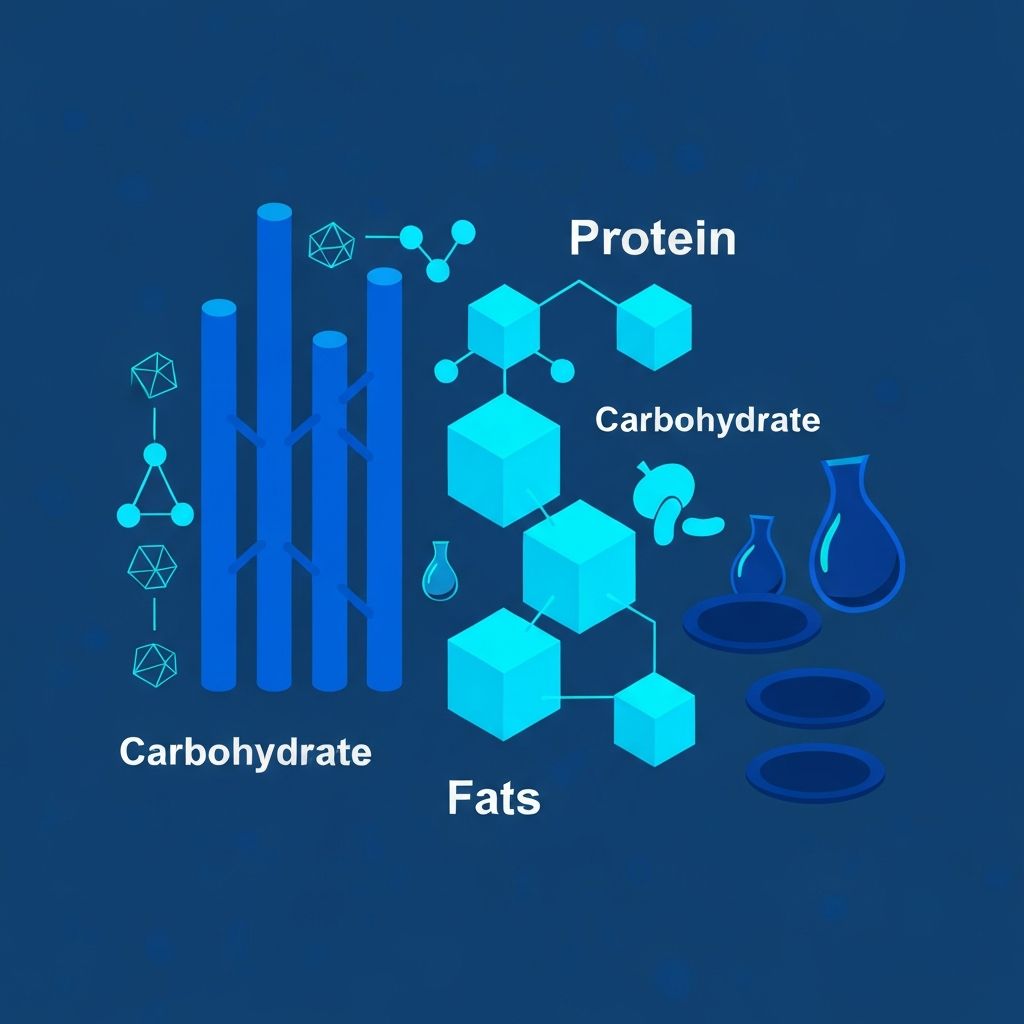
Macronutrients are the primary sources of energy and building blocks for bodily structures. Each macronutrient serves distinct physiological roles.
Essential for tissue repair, enzyme production, and hormone synthesis. Found in diverse sources including poultry, fish, legumes, nuts, and seeds.
Primary energy source for daily activities and mental function. Whole grains, vegetables, and fruits provide sustained energy and fiber.
Crucial for hormone production, nutrient absorption, and brain function. Healthy sources include olive oil, avocados, fatty fish, and nuts.
Overview of key vitamins and minerals relevant for general male well-being, their functions and food sources
| Micronutrient | Primary Functions | Food Sources |
|---|---|---|
| Vitamin D | Bone health, immune function, calcium absorption | Fatty fish, egg yolks, mushrooms, fortified dairy |
| Zinc | Immune response, protein synthesis, wound healing | Oysters, beef, chickpeas, cashews, seeds |
| Magnesium | Muscle and nerve function, energy production, bone health | Pumpkin seeds, almonds, spinach, whole grains |
| Iron | Oxygen transport, energy metabolism | Red meat, beans, lentils, fortified cereals, spinach |
| Vitamin B12 | Nerve function, red blood cell formation, energy | Fish, meat, dairy, eggs, fortified plant-based options |
| Selenium | Antioxidant protection, thyroid function | Brazil nuts, fish, poultry, eggs, whole grains |
Discussion on the significance of water intake and its role in bodily functions
Water is fundamental to every physiological process. It comprises a significant portion of body composition and enables cellular function, temperature regulation, and nutrient transport.
Examples of balanced eating patterns and their general benefits

Various dietary patterns provide frameworks for balanced eating. These patterns emphasize whole foods, diverse nutrient sources, and sustainable practices.
Emphasizes vegetables, fruits, whole grains, legumes, nuts, and olive oil. Fish and poultry replace red meat as primary proteins. Provides diverse nutrients and supports cardiovascular principles.
Focuses on vegetables, fruits, whole grains, lean proteins, and low-fat dairy. Limits sodium and added sugars. Promotes sustained energy and cardiovascular health concepts.
Prioritizes vegetables, fruits, legumes, whole grains, and nuts. Can incorporate animal products in varying quantities. Provides diverse micronutrients and dietary fiber.
Informative guide on how to interpret food labels for making informed choices
The standard label provides serving size, calories, macronutrient quantities, and key micronutrients. Understanding these values helps in comparing products and making informed choices about portion sizes and nutrient composition.
Listed in descending order by weight. Reading ingredient lists helps identify whole foods versus processed additions. Shorter lists often indicate less processing and more whole food content.
Shows how much a nutrient in a serving contributes to the daily recommended amount. Five percent or less indicates low content; twenty percent or more indicates high content. Helps balance intake across multiple foods.
Labels use standardized terminology like "excellent source," "good source," and "contains." Understanding these definitions helps evaluate product marketing claims against actual nutrient content.
How sleep, stress management, and physical activity interact with diet for overall vitality
Nutrition does not exist in isolation. Sleep quality, stress levels, and physical activity profoundly influence how the body processes nutrients and maintains health.
Quality sleep enhances nutrient absorption and metabolic processes. Sleep deprivation affects hunger hormones and food choices. Consistent sleep patterns support nutritional health goals.
Chronic stress affects digestion and nutrient utilization. Stress management practices like meditation and breathing exercises support gastrointestinal function and nutrient processing.
Regular movement enhances cardiovascular function and supports various physiological processes. Physical activity influences nutrient requirements and the body's utilization of dietary components.

A factual look at popular misconceptions about men's nutrition
Reality: Unsaturated fats from sources like olive oil, avocados, and fatty fish support heart and brain function. Dietary fat is essential for hormone production and nutrient absorption. The type and amount matter more than the category.
Reality: Whole grain carbohydrates provide sustained energy, fiber, and micronutrients. The distinction between refined and whole grain carbohydrates is more significant than avoiding carbohydrates entirely.
Reality: Total nutrient intake matters more than meal timing. The body processes calories consistently regardless of time of day. Individual schedules and patterns are more important than strict timing rules.
Reality: Whole foods contain complex nutrient combinations, fiber, and phytonutrients that supplements cannot fully replicate. Whole foods form the foundation of nutritional health.
Emphasizing unprocessed foods and their nutritional advantages

Whole foods—fruits, vegetables, legumes, whole grains, nuts, and unprocessed proteins—provide complete nutrient profiles that support optimal bodily function.
Whole foods contain higher concentrations of vitamins, minerals, and beneficial compounds per calorie compared to processed alternatives. They also contain fiber, which supports digestive health and sustained energy.
Plant-based whole foods contain thousands of bioactive compounds beyond basic vitamins and minerals. These phytonutrients support various physiological processes and cellular health.
Whole foods generally provide greater satiety due to fiber content, water content, and nutrient density. This supports intuitive eating patterns and sustainable dietary habits.
Explore detailed sections on specific nutrients and dietary concepts to deepen your understanding of nutrition science and informed eating practices.